Mining is often cited as one of the most hazardous industries, with historically high accident and fatality rates. Early mineworkers had little more than basic hard hats, lamps, and rudimentary gas detectors, while safety procedures were largely reactive - introduced only after major incidents had occurred. In the 1990s, the global average mining fatality rate (fatalities per 100,000 workers) was estimated to be up to three times higher than in comparable heavy industries such as construction and manufacturing.
A series of high-profile disasters in regions such as Latin America and East Asia throughout the late 20th century drew attention to the urgency of miner safety, prompting tighter regulations worldwide. Many countries introduced or significantly strengthened mining safety acts, channeling significant funds into modern ventilation systems, more rigorous inspections, and compulsory safety training. These reforms contributed to tangible progress. According to the International Council on Mining & Metals (ICMM), its member companies collectively reduced their annual fatality count from 90 in 2012 to 43 in 2022 - more than a 50% drop over a decade. Yet, outside major multinational operations, the global picture remains mixed. In certain regions with informal or less-regulated mining, accident rates remain alarmingly high, underlining a continuing need for innovation and vigilance.
As mines become more extensive, mechanized, and data-intensive, the potential impacts of minor oversights grow. Historically, safety improvements were reactionary - accidents would happen, investigations followed, and new protocols were rolled out. Modern approaches, by contrast, emphasize real-time monitoring and early intervention. A study by McKinsey found that mines adopting advanced digital monitoring and predictive analytics have achieved up to a 30% reduction in lost-time injuries over a five-year period. The World Bank also estimates that significant accidents and unplanned downtimes can consume up to 5% of annual production value in certain high-risk areas, which can translate into millions of dollars even for mid-sized operators.
A company’s safety performance is increasingly tied to Environmental, Social, and Governance (ESG) metrics. PricewaterhouseCoopers (PwC) reports that 8 in 10 institutional investors factor a strong safety record into their assessment of mining stocks. Companies with weak safety records often face higher insurance premiums, increased difficulty raising capital, and stricter scrutiny from regulators that can shut down operations altogether.
Despite major technological shifts in wearable devices, sensors, and AI-driven automation, human expertise remains critical. Engineers, safety managers, and frontline workers interpret data, offer strategic insights, and refine on-site measures. The technology serves as an early warning system, flagging potential threats - everything from gas leaks to rock stress changes - while people decide on appropriate actions or system adjustments.
In short, the mining industry’s stance on safety has evolved from a rules-based model to one that is predictive, data-informed, and integral to maintaining productivity and community trust. Subsequent chapters will delve into wearable technology, predictive AI tools, and real-world examples of how these solutions go beyond mitigating danger, influencing everything from operational efficiency to stakeholder confidence.
Wearable Tech: The Next Frontier in Personal Protection
In modern mining operations, wearable technology is emerging as a key component of safety strategy. Unlike older protective gear that served only basic functions, new-generation wearables can monitor a range of health and environmental indicators, providing miners and their supervisors with real-time insights. The goal is not just to respond to emergencies faster, but also to predict potential hazards before they escalate.
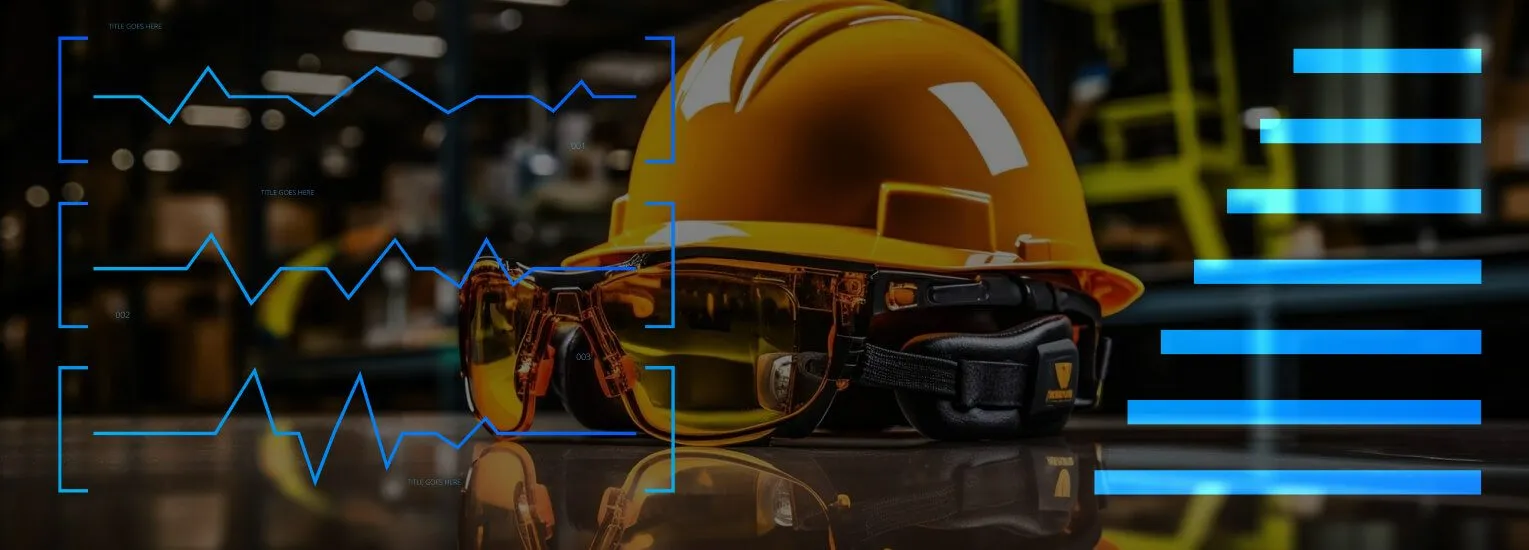
One category of these devices includes sensor-embedded garments and helmets. These can track biometrics such as heart rate, body temperature, and respiratory patterns. According to a 2021 industry survey by Deloitte, over 60% of mining companies trialing wearable sensors reported reductions in heat stress incidents and fatigue-related accidents. A typical example would be a vest integrated with heat sensors and motion detectors, capable of sending alerts if a worker shows signs of overexertion or an unusually high body temperature.
Real-time gas detection badges represent another major innovation. These compact devices continuously measure levels of gases like methane, carbon monoxide, or hydrogen sulfide. A sudden spike triggers an alarm, prompting immediate evacuation of the affected area. Some badges can also transmit alerts to a central monitoring station, enabling safety officers to coordinate targeted rescue operations. Data from the Gas Detection Technology Institute show that near misses in underground coal mines can drop by as much as 35% when continuous gas monitoring is properly implemented.
Beyond environmental and biometric monitoring, proximity sensors help reduce collisions between people and heavy machinery. A common scenario involves a worker stepping too close to a haul truck’s blind spot. With proximity sensors, the worker’s wearable device vibrates or emits a sound when the equipment approaches a preset boundary. In a recent pilot program at an Australian iron ore mine, collision risks were cut in half within six months of deploying wearable proximity alerts for all on-foot personnel.
Despite these benefits, there are practical challenges to consider. Battery life can be an issue, especially in remote underground operations where recharging is difficult. Workers also need to accept the technology. Some may resist due to concerns about discomfort or constant surveillance, particularly when biometrics are being tracked. To address these barriers, training and clear communication about data privacy policies are essential. In many successful rollouts, companies provided brief workshops demonstrating how wearables could prevent accidents and offered assurance that personal data would remain anonymous and securely stored.
Cost considerations also come into play. Sensor-embedded helmets and vests can be more expensive than conventional gear. Yet many companies report a positive return on investment when wearables are integrated effectively. For instance, an open-pit mine in South America estimated that each wearable device saved an average of two days of lost production time annually by preventing accidents or catching early signs of worker fatigue. When multiplied across hundreds of workers, the cost savings added up significantly, more than offsetting the purchase and maintenance expenses.
Overall, wearable tech represents a powerful step forward in mine safety, shifting the focus from reactive measures to a proactive, data-driven approach. By enhancing a worker’s ability to detect and respond to hazards, these devices not only help reduce injury rates but also reinforce a culture of accountability and shared responsibility for on-site safety. The next chapter will explore how predictive analytics and AI-based monitoring further elevate this approach, enabling real-time interpretation of data coming from wearable devices and beyond.
Intelligent Monitoring: Harnessing Predictive AI
Wearable devices provide valuable on-the-ground data, but their true power emerges when integrated with predictive analytics and artificial intelligence. Mining operations produce vast amounts of information daily - machine performance metrics, geotechnical readings, maintenance logs, and worker movements. Artificial intelligence helps sift through this data to identify patterns and forecast safety risks before they escalate.
One well-known application is AI-based predictive maintenance. By analyzing historical breakdown records alongside real-time equipment sensor readings, AI algorithms can flag components approaching failure. In one copper mine study, this approach cut equipment downtime by 25% in the first year. The benefits extended beyond risk reduction: fewer breakdowns meant fewer emergency repairs, translating into more consistent output and lower operating costs.
Beyond maintenance, AI can also support geological hazard detection. Machine learning models trained on seismic activity logs and ground-penetrating radar data can recognize subtle changes in rock mass behavior. If an underground shaft is showing increased seismic noise, the system issues a warning before visible signs like cracking appear. This advance notice may prompt a temporary workforce relocation or additional supports to prevent a collapse. According to a 2022 analysis by the Mining Risk Research Council, mines implementing predictive rockfall systems reported a 40% reduction in ground-failure incidents over three years.
Other methods use AI to spot short-term anomalies, such as sudden fluctuations in temperature or gas levels. Some systems combine video analytics with machine learning to detect out-of-bounds movements of workers or equipment. If a worker crosses a safety barrier or a driver veers off a designated haul road, an automated alert goes out to the control room. Over time, these alerts help managers identify bottlenecks and recurring mistakes in traffic design, worker routes, or operational planning.
Data integration is key. Large mines typically gather information from thousands of sensors, including wearables, stationary monitors, and mobile equipment. Without a centralized platform, each system might operate in isolation. AI-based tools excel at merging these data streams into a unified view. Anomalies spotted by one sensor can be cross-referenced with patterns detected elsewhere, creating a more complete picture of risk factors. This holistic perspective not only curbs siloed decision-making but also gives management deeper insights into day-to-day realities in remote or underground areas.
However, obstacles remain. Building a robust AI infrastructure involves significant up-front costs and specialized skills in data science. Smaller mining firms or those in emerging markets might lack the capital or technical talent to implement advanced systems. Connectivity is another challenge. If remote sections of the mine suffer from unreliable network coverage, data gaps can undermine the accuracy of predictive analytics. To mitigate these issues, some operations install private LTE networks or mesh Wi-Fi systems within the mine, ensuring constant data flow for AI-based monitoring.
Despite the technical demands, many in the industry see AI-driven predictive monitoring as the future of mine safety. By enabling faster and more precise interventions than traditional human oversight, these systems transform safety from a reactive stance to a proactive, prevention-oriented framework.
Overcoming Barriers to Tech Adoption
Adopting wearable technology, AI-driven analytics, and other digital tools can generate noticeable improvements in mine safety. Yet technology alone does not guarantee success. Many companies discover that organizational culture, infrastructure gaps, and worker acceptance can hinder the rollout of new systems. Overcoming these barriers often hinges on leadership commitment, comprehensive training, and strategic planning.
A major hurdle is workforce engagement. Introducing wearable sensors and AI monitoring can trigger concerns about privacy and increased surveillance. Some miners fear that constant data collection may lead to micromanagement or disciplinary measures if, for instance, they veer off a designated path. A survey by the Mining Industry Innovation Forum found that 40% of participants felt uneasy about sharing personal biometric data with their employers. One way to address these reservations is to communicate how the new tools will benefit workers directly. Companies that held small-group demos and Q&A sessions for employees, explaining that wearables would detect signs of fatigue and reduce accident risks, reported 20% higher adoption rates.
Another challenge is infrastructure and connectivity. Many mines are located in remote regions where Wi-Fi or cellular coverage is inconsistent. A wearable safety vest with real-time GPS tracking or an underground drone for hazard inspection requires a reliable network connection to transmit data. Frequent service interruptions can render advanced devices less effective. In some operations, companies invest in private LTE or underground mesh networks to ensure stable connectivity. For example, an underground zinc mine in Europe installed its own high-speed network, cutting average data dropouts by more than 80% and allowing AI tools to function seamlessly.
Employee training is equally important. Technology is only as effective as the people who manage and interpret it. Despite the intuitive design of many new devices, front-line workers may need dedicated instruction, not just a quick briefing. Training sessions that incorporate real scenarios - like a simulated gas leak - help build confidence and familiarity. Likewise, technicians require clear protocols for troubleshooting, routine maintenance, and software updates. In a large-scale coal operation in North America, managers launched a three-week onboarding program that included classroom time, hands-on drills, and follow-up assessments. Within six months, the mine reported a 30% drop in incidents linked to human error, suggesting a direct link between structured training and risk reduction.
Cost also remains a sticking point. While sensor-equipped helmets, AI subscription fees, and industrial-grade connectivity can appear expensive, many operators find that they pay for themselves over time. A global mining services company estimates that every dollar spent on wearable safety devices yields two dollars in savings through fewer disruptions, reduced insurance premiums, and improved workforce productivity. However, these returns are not instantaneous. Smaller or budget-constrained operations may require creative financing strategies, such as phased deployments or partnerships with technology vendors.
Ethical considerations add another layer. AI algorithms that predict accidents based on worker behaviors or performance metrics need to be transparent. Employees should understand how the data is collected and used. When companies hide or poorly explain data policies, trust erodes rapidly. On the flip side, when management provides clear guidelines and demonstrates fair applications of AI findings - such as scheduling extra rest for an overworked team - morale can actually improve.
Ultimately, technology adoption in mining is about more than installing hardware or software. Success hinges on planning for human factors, robust infrastructure, ongoing education, and ethical data handling. The next chapter will highlight real-world success stories of operations that have effectively integrated safety-focused technologies, including case studies of improved outcomes and lessons learned from large-scale implementations.
Case Studies: Real-World Implementation
The shift toward technology-driven safety is more than a theoretical ideal. Across the globe, various mining operations have successfully integrated wearable sensors, predictive analytics, and automated monitoring. This chapter examines a few such projects, illustrating the tangible impact of modern innovations on worker well-being and operational performance.
Wearable Tech Success in a Mid-Tier Gold Mine
A mid-sized gold mining company in South Africa faced persistent issues with fatigue-related incidents. Operators of haul trucks often experienced long shifts, and the mine’s layout required navigating steep ramps. In response, the company introduced sensor-equipped uniforms and hard hats capable of tracking heart rate, body temperature, and head orientation.
Over the following 12 months, the average monthly incident rate in haulage areas dropped by 35%. Data from the wearables revealed that many incidents occurred during the second half of a shift, prompting management to adjust break schedules. The mine also installed additional hydration stations and extended rest times when early fatigue signs were detected. By year’s end, lost-time injuries associated with haul truck operations were reduced by nearly 40%, saving the company an estimated three million dollars in direct accident costs.
Predictive AI in Underground Operations
A copper mine in South America partnered with a tech provider specializing in machine learning to streamline maintenance workflows. The provider used algorithms that analyzed historical breakdown patterns for shuttle cars, along with current sensor readings on vibration, temperature, and hydraulic pressure. Within six months, the AI software flagged three shuttle cars as high risk, predicting potential failures within a two-week window.
Maintenance crews replaced critical parts in each flagged unit. On average, each proactive repair took one shift and cost around twenty thousand dollars in parts and labor. In contrast, emergency repairs for a shuttle car failure could cost more than fifty thousand dollars and cause multiple days of downtime. Thanks to the predictive insights, the mine saw a 25% decrease in unscheduled repairs over a nine-month period. Production bottlenecks caused by breakdowns were also reduced, resulting in higher output and more stable revenue streams.
Large-Scale Rollout by a Multinational
A large multinational mining corporation operating across different continents decided to implement uniform safety technology standards at all its sites. This included wearable proximity sensors for workers, AI-driven risk assessment platforms, and real-time gas detection linked to a global monitoring hub. Initially, the rollout met pockets of resistance, especially in smaller, remote operations where workers had minimal exposure to digital tools.
The corporation addressed these hurdles by adopting a phased approach. Pilot programs were launched in two highly automated mines that already had reliable connectivity. After proving a 30% reduction in near-miss events and lower downtime, the company applied lessons learned - like improved training modules, more robust data security policies, and incremental device upgrades - before rolling out the technology to other sites. Within two years, all of the company’s mines reported double-digit reductions in accident rates, driving a 15% overall drop in insurance premiums and nearly five million dollars in annual cost savings.
These case studies underscore the value of integrating multiple safety technologies rather than relying on any single solution. Wearable sensors can offer crucial early warnings, but their impact grows exponentially when linked to AI-based platforms that analyze patterns across entire fleets or workforces. Each successful implementation also required strong leadership support and clear communication about how the data would be used. In every case, results showed fewer accidents, better operational continuity, and improved morale among workers.
The Road Ahead for Safer, Smarter Mines
In today’s mining landscape, the drive toward enhanced safety is inseparable from technological innovation. From sensor-embedded wearables that monitor vital signs to predictive AI systems that forecast equipment failures or sudden geotechnical shifts, digital tools allow for unprecedented visibility into day-to-day operations. These capabilities move safety measures away from after-the-fact interventions toward proactive, data-informed prevention.
Yet hardware or software alone cannot transform a safety culture. Success stories across the industry consistently show that human factors are pivotal. Companies that have meaningfully reduced accidents typically invest in robust training for front-line workers, transparent communication about data collection, and an organizational commitment to continuous improvement. Infrastructure plays a vital role as well. Unstable connectivity or fragmented data systems can disrupt even the most advanced sensor networks, so many firms now establish dedicated private LTE or mesh networks to ensure reliable, round-the-clock monitoring.
Another recurring theme is the clear financial case for safety-driven technology. While the up-front costs of wearable devices or AI analytics can appear steep, the savings in reduced downtime, fewer accidents, and improved productivity often justify the investment. Many organizations report that these technology rollouts not only safeguard workers but also lead to secondary benefits such as optimized maintenance schedules, streamlined traffic flows, and stronger relationships with regulators and investors.
Looking forward, innovations like autonomous haul trucks, drone-based inspections, and advanced simulation tools for real-time training are set to further enhance safety outcomes. As these technologies mature, challenges will likely evolve. Mines may need more sophisticated data governance to ensure privacy and combat cybersecurity threats. Skilled personnel who can interpret advanced analytics and maintain these complex systems will also be in high demand.
Ultimately, the future of mine safety hinges on balancing technological sophistication with a deep respect for the lived realities of workers on-site. When companies integrate wearable tech, predictive AI, and meaningful human oversight into a cohesive strategy, they can achieve significant reductions in accidents while building a culture that values both efficiency and well-being.
Such a culture pays dividends across the board, from better workforce morale and lower insurance costs to enhanced regulatory goodwill and stronger investor confidence. By embracing these principles now, mine operators position themselves not just to comply with safety standards, but to lead the industry toward a safer, smarter future.